
Finding Quiet Cafes in Nordic Capital Cities
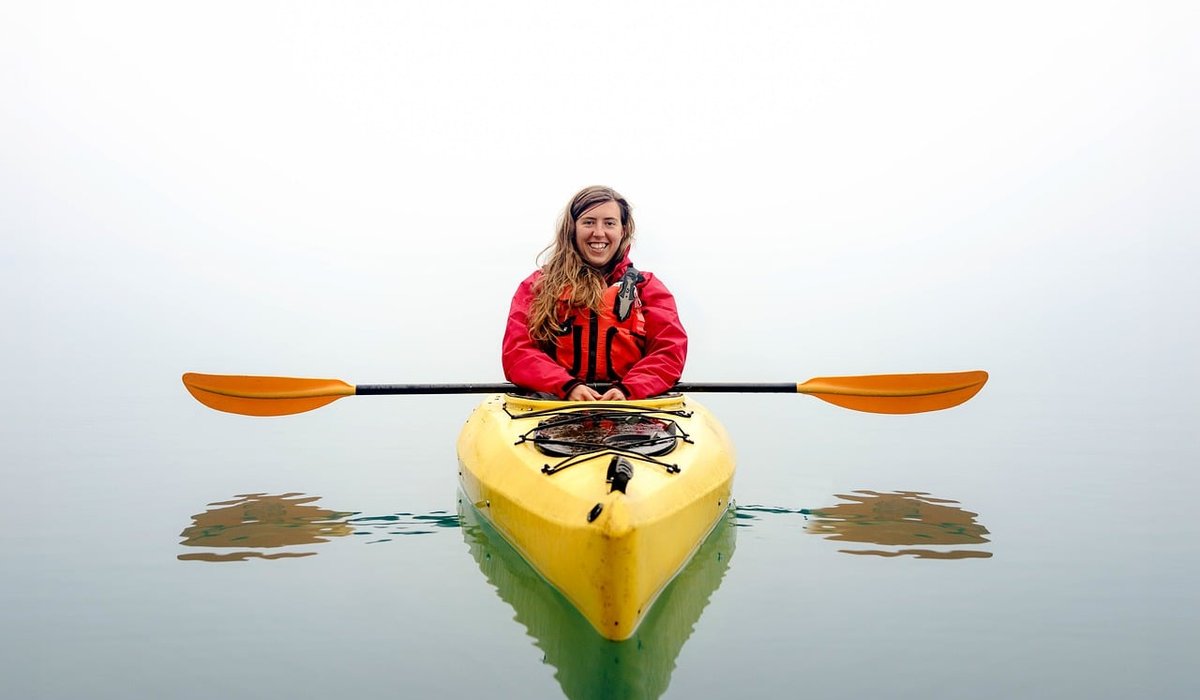
There’s a moment before you step into any open water – whether it’s a Norwegian fjord, a Swedish forest lake, or a Baltic Sea inlet – when you pause and read the surface. In the Nordics, where water temperatures can drop below 10°C even in summer, and where currents can shift with the tide or the wind, that pause is not just a ritual. It’s a safety skill. Learning to interpret ripples, debris, and seaweed gives you a clear picture of flow direction and strength, so you can choose where to enter and exit with confidence.
Why currents behave differently in Nordic waters
Nordic waters are not uniform. A fjord might have a surface current driven by glacial meltwater, while a forest lake can be almost still until a gust of wind creates a short, sharp chop. Along the coast, tidal currents can run at several knots, especially in narrow sounds between islands. In the Baltic, the flow is often wind-driven and can reverse quickly. Never assume a lake is current-free – even small inflows from streams or springs can create a steady pull. The key is to look for repeating patterns rather than one-off disturbances.
Surface ripples: the water’s first language
Ripples are the easiest sign to read, but they can also mislead. Wind creates ripples that move in the same direction as the wind, while current creates ripples that move with the flow. When both are present, look for persistent lines of disturbance that cut across the wind-driven chop. These often mark the edge of a current. Also watch for:
- Smooth patches in an otherwise choppy surface – these can indicate upwelling or a slower-moving eddy.
- V-shaped wakes around rocks or headlands – the point of the V faces upstream, so the current flows towards the point.
- Standing waves that stay in one place – a sign of strong current over a shallow bottom.
In a Norwegian fjord, you might see a glassy band near the shore while the centre is rippled. That glassy band is often a back eddy, which can be a safer place to enter, but it can also hide a sudden drop-off. Test with a stick or your hand before committing.
Floating debris and foam: nature’s current markers
Debris is your friend. Pine needles, birch leaves, pollen, and even small twigs will float on the surface and move with the current. In coastal areas, look for sea foam – it collects in convergence zones where two currents meet. The foam line itself is a current boundary. Watch a single leaf for 30 seconds. If it moves steadily in one direction, that’s your flow. If it circles, you’re in an eddy. In Nordic lakes, pollen slicks in spring can reveal subtle currents that are otherwise invisible. Also note where debris accumulates: the downcurrent side of a point or a bay is often calmer and easier to exit.
Seaweed, eelgrass, and other aquatic plants
Attached seaweed and eelgrass bend with the current. In Norway, kelp fronds stream out like flags. In Finland and Sweden, reeds and water lilies lean away from the flow. Watch the direction of the bend – it points downstream. If the plants are moving back and forth, the current is weak or tidal. If they are pulled flat, the current is strong. Free-floating seaweed is even more revealing: it travels with the surface flow, so you can track it just like debris. In Iceland, look for kelp fragments near black sand beaches – they often trace the alongshore current.
Wind, waves, and the bigger picture
Wind can override current on the surface, so always check the forecast. A strong offshore wind will push surface water away from the shore, creating a compensatory current near the bottom – but you’re swimming on the surface, so you’ll feel the wind-driven drift. Whitecaps indicate wind speeds above 12 knots, which can make reading currents difficult. In the Baltic archipelago, a sudden change in wind direction can reverse a current within minutes. Combine your observations: if the ripples, debris, and seaweed all tell the same story, you can trust it. If they conflict, be cautious and choose a different spot.
Choosing your entry and exit points
Once you’ve read the currents, plan your entry and exit. Enter where the current is weakest – often in a sheltered bay or behind a rock. Exit downcurrent of your entry if the flow is strong, so you don’t have to swim against it when tired. In a fjord, look for a beach or slipway on the inside of a bend. In a lake, use a jetty or a sandy shore where the bottom slopes gently. Always scout from land first, and have a backup exit. Remember that cold water can reduce your swimming ability quickly, so keep your route short and close to shore. And if in doubt, don’t go in – the Nordic wilderness will still be there tomorrow.
LEAVE A COMMENT