
Wild Swimming Spots Along Quiet Fjord Shores
Why fjord paddling feels different
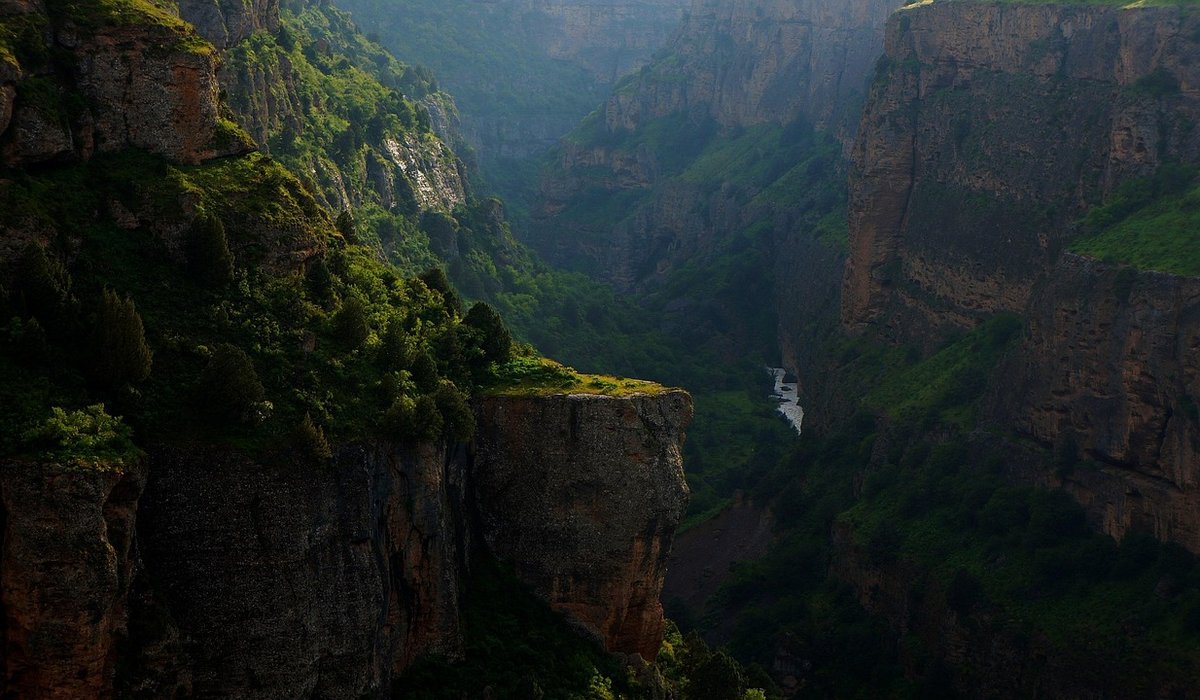
Sea kayaking between steep fjord walls is not like paddling a sheltered bay or a gentle estuary. The scale changes everything. A cliff that rises three hundred metres straight from the water does something odd to your sense of distance and speed. Sound behaves strangely, too. Your own paddle splash returns as a delayed echo, and a waterfall a kilometre away can sound close enough to touch. The water beneath you is often hundreds of metres deep, dark and cold, even in high summer. That depth matters, because it removes the easy option of wading ashore if the weather turns. You are committed, and commitment is the whole point — but it must be planned.
The rewards are enormous. Paddling beneath a wall of rock with eagles circling above and no road for twenty miles is an experience that stays with you. The trick is to enjoy it without becoming a cautionary tale. That means treating the fjord with respect, not fear.
Reading wind that funnels and falls
Fjord winds are not the same as coastal winds. Steep walls funnel breeze along the water, sometimes accelerating it to double the forecast speed. More dangerous are katabatic gusts — cold air that pools on high ground and then spills suddenly down the cliff face. Paddlers often call these williwaws. They can hit without warning, turning flat water into a chaos of whitecaps in seconds.
Watch the surface ahead and behind you. Look for dark patches racing across the water, or a line of ripples moving against the main wind direction. If you see a gust coming, turn your kayak to meet it head-on, brace, and let the boat ride it out. Avoid paddling tight against the cliff base on windy days; the water there is confused and escape routes are limited. Better to keep two or three boat lengths offshore, where you have room to manoeuvre and can see gusts approaching.
Sharing narrow water with boats
Fjords are working waterways. Ferries, fishing boats, and small cargo vessels use them daily, and they cannot stop quickly. A kayak is almost invisible against a dark cliff, especially in poor light or rain. Your job is to be seen and to stay out of the way.
- Cross at right angles and as a tight group, not as a straggling line. A ferry captain needs to read your intention immediately.
- Carry a VHF radio and monitor channel 16. If you hear a vessel announcing a departure, answer clearly with your position and intentions.
- Use bright colours on your kayak, deck bag, and buoyancy aid. A white paddle flash is useful, but nothing beats a high-visibility hull.
- Never assume you have been seen. If a boat is approaching, stop paddling, hold your position, and wait for it to pass before continuing.
In narrow channels, keep to the edge where the water is shallowest and the current weakest. That is also where you are most likely to be spotted against the shoreline.
Cold water, layers and self-rescue
Fjord water is cold year-round. Even in August, a long immersion can sap your strength in minutes. Dress for the water, not the air. A drysuit with warm base layers is the standard for serious fjord paddling. Add a neoprene hood, gloves, and thick socks. Your buoyancy aid should be snug and fitted with a whistle, a light, and a towline.
Practise your self-rescue and assisted rescues before you commit to a long crossing. Can you roll reliably? Can you re-enter your kayak from deep water? Can you empty a flooded cockpit in choppy conditions? If the answer is no, stay close to shore and build your skills first. A paddle float and a hand pump are not optional kit — they are part of the boat. Cold shock is real, and the first thirty seconds after a capsize are the most dangerous. Breathe, stay with the kayak, and signal for help.
Short crossings and group discipline
Plan crossings that take twenty to thirty minutes, not two hours. A two-kilometre crossing is a reasonable target in calm conditions; anything longer demands a settled forecast and a fit, experienced group. Break longer passages into short hops using islands, headlands, and bays as stepping stones.
Keep every group member within sight at all times. Agree on a clear order: a leader at the front, a sweep at the back, and no one in between paddling alone. Use hand signals for stop, turn, and hazard. If someone drifts, the whole group stops and regroups. That discipline is not bossy — it is what allows you to relax and enjoy the scale of the place.
Tides, weather windows and camp craft
Fjord tides are often modest, but tidal streams can still run hard through narrow sounds. Check the local tide tables and time your crossings for slack water. Weather windows close quickly. A forecast of force three to four can become force six in an hour when a front moves through. Carry a waterproof VHF and check it at every break.
Camping on the shoreline is possible in many places, but choose pitches above the high-water mark and away from rockfall zones. Leave no trace: pack out everything, use a stove rather than a fire, and keep food secured from birds. In the morning, before you launch, stand on the shore and watch the water for five minutes. The fjord will tell you what kind of day it is going to be.
LEAVE A COMMENT