
Tidal Planning for Beginner Fjord Kayakers
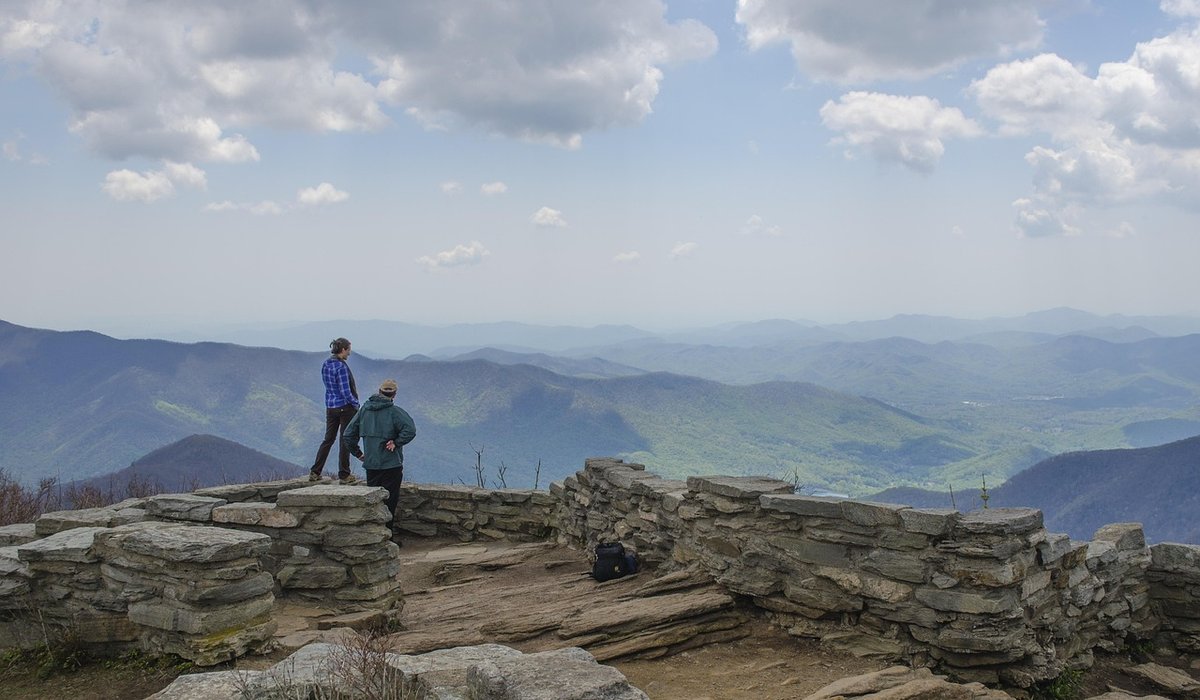
Fjord country rewards those who venture beyond the car parks and ferry terminals. The pay-off is silence, scale, and views that make your chest tight. But the same remoteness that makes these trails magical also means that a twisted ankle, a sudden squall, or a wrong turn can turn a pleasant day into a long night. The good news is that most emergencies start small – and a few simple habits stop them getting big. Tell someone where you are going. Carry a map and compass. Assume your phone will lose signal. None of this is dramatic, but together they are the difference between a story you tell and a story that tells you.
Tell someone your route – and stick to the plan
Before you leave the trailhead, someone should know exactly where you are going and when you expect to be back. That person might be a friend at home, your accommodation host, or a fellow walker. Write it down rather than relying on a vague text. Include your intended route, any alternative you might take, your expected finish time, and your car registration if you have parked at a remote trailhead. In Norway and Sweden, it is common to leave a note on the dashboard as well – it gives searchers a starting point if your vehicle is still there after dark.
Set a call-in time. If you have not made contact by then, the person you told should raise the alarm. That does not mean sending a rescue team immediately; it means calling the local emergency number and saying you are overdue. Rescue services would much rather spend an hour checking a false alarm than search a whole valley the next morning.
- Give a copy of your route to someone at home and leave one in your car.
- State your expected return time and a firm call-in time.
- If you change your plan mid-trip – say, because of weather – tell someone if you can. If you cannot, turn back rather than press on to a different trail.
- Never rely on “I’ll text when I get signal.” In fjord country, that signal might not come until you are back in the village.
Carry a map and compass – and know how to use them
GPS is a wonderful tool until the battery dies, the screen cracks, or the device gets wet. A paper map and a baseplate compass weigh almost nothing and never run out. For Nordic trails, a 1:50,000 scale map is standard, though some popular areas have 1:25,000 for finer detail. Learn to read contour lines, measure distance with the scale, and estimate walking time. In rough fjord terrain, allow an extra hour for every five kilometres you would normally walk on flat ground.
Magnetic declination matters here. Depending on where you are, the compass needle may point several degrees east or west of true north. The map will tell you the local declination. Adjust your bearings accordingly, or you could miss a bridge or a junction by a wide margin. Practise taking a bearing and following it before you need the skill in anger. If you are walking with others, make sure at least two of you can navigate.
Prepare for limited phone signal
Fjord walls, deep valleys, and remote plateaus block mobile coverage in ways that are hard to predict. You might have five bars on one ridge and nothing in the next valley. Do not treat your phone as your primary safety device. Before you leave, download offline maps of the area. Put your phone in airplane mode when you do not need it – searching for a signal drains the battery fast. Carry a power bank and a charging cable, and keep both in a dry bag.
For truly remote trails, consider a personal locator beacon or a satellite messenger. These can send an emergency alert even without phone signal. But remember: they are not a substitute for good judgement. They tell rescuers where you are, not how to avoid the problem in the first place. If you do have signal, send a short location pin to your contact, then turn the phone off again to save power.
Dress and pack for four seasons in one day
Fjord weather changes fast. A calm, sunny morning can turn into horizontal rain and a sharp wind by lunchtime. Wear layers: a moisture-wicking base, an insulating mid-layer (wool or fleece), and a waterproof, windproof outer shell. Avoid cotton next to your skin – it soaks up sweat and rain, then chills you. Pack an extra warm layer, a hat, and gloves even in summer. Your day pack should also contain a headtorch, a whistle, a first aid kit, a knife, a bivvy bag or emergency shelter, high-energy food, and at least a litre of water. A paper map and compass live in the pack, not in your pocket.
Move safely on rough ground and river crossings
Fjord trails are rarely smooth. Expect bogs, slippery rocks, scree, and unbridged streams. Trekking poles help with balance and take pressure off your knees. On steep ground, take short steps and test every foothold. If you have to cross a river, look for the widest, shallowest section – that is usually the safest. Unbuckle your backpack’s chest and waist straps so you can slip out of it if you fall. Face upstream, shuffle sideways, and use a pole or a stick for support. If the water is above your knees or moving fast, turn back. No view is worth a cold swim in a glacial river.
If something goes wrong, stop and think
The moment you realise you are lost, injured, or running out of daylight, stop. Panic burns energy and leads to bad decisions. Shelter from the wind, put on dry layers, eat something, and drink water. Then make a plan. If you have phone signal, call the emergency number – 112 works across the Nordic countries. If you do not, use your whistle (six short blasts, repeated), a torch, or a mirror to signal. Stay put unless you are certain of a safer location. Rescuers can find a stationary person far more easily than a moving one. And if you are overdue, your earlier habit of telling someone your route means help is already on its way.
LEAVE A COMMENT