
Choosing a Kayak for Calm Coastal Waters
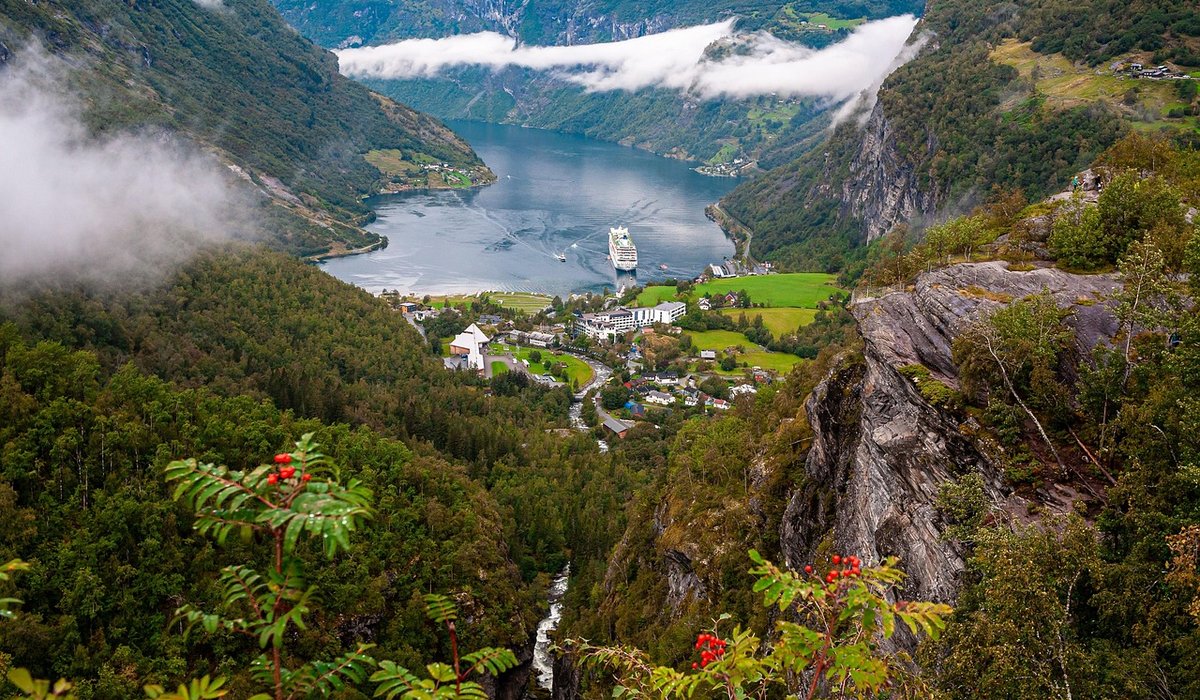
Why Nordic weather writes its own rules
Nordic day hikes have a particular way of humbling you. You leave a valley in still, bright air, and twenty minutes later you are leaning into a wind that seems to come from every direction at once. The weather here is shaped by sea, mountains and high latitude, so conditions can shift from gentle to serious faster than most UK walkers expect. That is not a reason to stay indoors. It is a reason to read the sky and the forecast before you commit to a route, and to stay willing to turn around. The best days out are the ones where you come home with a story, not a rescue.
Start with the mountain forecast, not the town forecast
Town forecasts are useful for the drive, but they lie about the hills. A prediction of 8°C and light breeze in the valley can translate to 1°C, fog and a 15 m/s (34 mph) wind on an exposed ridge. Before you set out, look for a local mountain forecast that gives you cloud base, freezing level, wind speed at altitude, and precipitation timing. National meteorological services often publish these for popular plateaus and fjell areas. Check the trend, not just the snapshot: is the wind increasing through the afternoon? Is the cloud base forecast to drop? Is rain arriving earlier than yesterday's run suggested?
- Cloud base: if it is below the ridge you plan to cross, expect poor visibility and navigational challenge.
- Wind at altitude: anything above 10 m/s (22 mph) makes exposed walking tiring; above 15 m/s it becomes a genuine hazard.
- Freezing level: if it is near your highest point, expect ice, snow or sleet on the tops even in summer.
- Precipitation timing: a dry morning can become a wet afternoon. Plan to be off the high ground before the worst arrives.
Cloud reading: the sky is a live forecast
Forecasts are models. Clouds are the actual weather happening in front of you. Learn a few common patterns and you can update your plan minute by minute. Lenticular clouds, smooth and lens-shaped, often stacked like plates over a summit, are a strong sign of high winds and turbulence. If you see them forming early, expect the ridge to be windier than forecast. Cumulus clouds that start small and grow quickly by mid-morning are building towards showers or thunderstorms. A flat, grey layer that lowers as you climb is a classic sign of a warm front bringing persistent rain. And if the cloud base is already below the tops when you park, ask yourself whether the summit is worth a navigation exercise in a white room.
Wind, temperature and the exposed ridge
Wind is the Nordic hiker's main companion and main threat. It steals heat, slows progress, and makes a rocky path feel precarious. Even a modest temperature of 5°C becomes dangerous when combined with 15 m/s wind and rain; hypothermia can set in surprisingly fast. On exposed ridges, pay attention to how the wind affects your balance. If you are being pushed sideways, if you have to shout to be heard, or if you need to crouch to stay stable, the mountain is telling you something. Temperature can also shift dramatically with altitude, and inversions can mean the valley is colder than the ridge at dawn. Dress in layers you can adjust without stopping for long, and keep a windproof shell within easy reach.
Decision points: when to turn back
Turning back is not failure. It is the skill that keeps you hiking for decades. Set a clear turn-around time before you start, and stick to it unless conditions are better than expected. As you climb, watch for worsening signs: cloud descending below your route, rain or sleet intensifying, wind increasing rather than easing, or your own pace slowing dramatically. If visibility drops to a few dozen metres and you are relying on a compass bearing, consider whether the summit is worth it. If the ridge ahead looks darker, windier, or more shrouded than the ridge behind, that is your cue. Have a lower alternative route in mind, and tell someone your plan and expected return time.
Habits that keep a good day good
Pack for the worst weather you might meet, not the best you hope for. A map and compass, an emergency shelter, a headtorch, spare warm layers, and a hot drink are basic Nordic day-hike kit, even on a short outing. Check the forecast again at the trailhead, observe the sky every hour, and be honest about how you feel. Cold hands, clumsy feet, and a nagging sense of unease are all data points. The mountains will still be there next weekend. A warm expert's advice is simple: read the sky, respect the wind, and never let a summit become more important than the walk home.
LEAVE A COMMENT