
Keeping Safe on Remote Trails in Fjord Country
Why Fjord Weather Rewrites Your Packing List
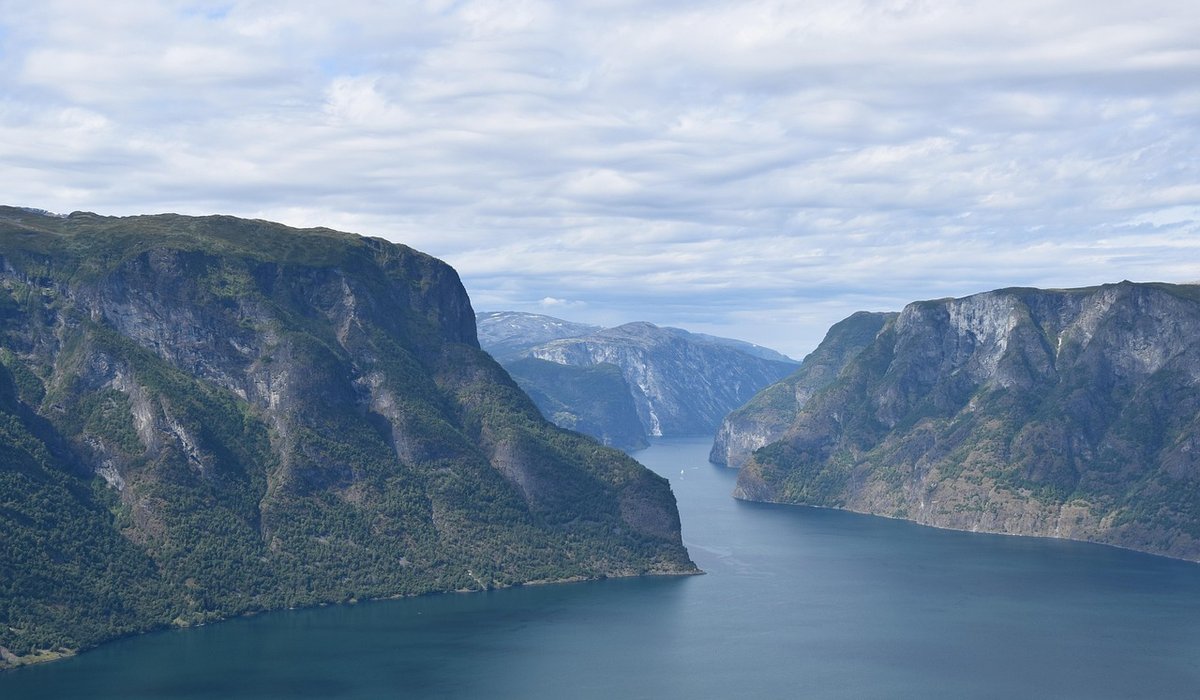
Fjord weather doesn’t do half measures. You can set off under a clear blue sky, round a headland, and meet a squall that arrives sideways. Twenty minutes later the sun is back, steam rising off the path, and you’re peeling off layers. This is not weather you can dress for once in the morning and forget. It’s a shifting puzzle of rain, wind, and sudden warmth, often all in the same afternoon.
The good news is that you don’t need a suitcase full of specialist kit. You need a flexible system: quick-drying basics, a warm mid-layer, a proper waterproof shell, and sturdy boots. Everything else is refinement. Pack for the change, not for a single forecast, and you’ll spend your week looking at waterfalls and ridges instead of fiddling with soggy cuffs.
Build from the Base: Quick-Drying Trousers and Layers
Start with what touches your skin. Cotton is the enemy here — it soaks up moisture, clings, and chills you when the wind picks up. Choose merino wool or synthetic fabrics that move sweat away and dry fast. For a week, two base-layer tops will do: one long-sleeve for cooler mornings and one short-sleeve for sunny spells. Rinse them in the evening and they’ll be dry by morning.
Trousers matter just as much. Leave the jeans at home. Pack quick-drying hiking trousers with a bit of stretch and a durable water-repellent finish. They should shrug off light rain, dry in minutes, and let you scramble over rocks without restriction. Two pairs is plenty — one for walking, one for evenings in the cabin or pub.
- Base layers: two merino or synthetic tops, plus one spare for cold days.
- Trousers: quick-drying, wind-resistant, with articulated knees. Avoid cotton entirely.
- Underwear and socks: merino or synthetic, three pairs each. Socks should be cushioned but not bulky.
The Mid-Layer That Earns Its Keep
Fjord wind cuts through thin clothing, so you need a mid-layer that traps warmth without turning you into a sweaty mess. A grid fleece or a lightweight synthetic insulated jacket is ideal. It should breathe when you’re climbing, insulate when you stop, and pack down small when the sun comes out. Down is wonderfully warm but loses its loft when damp, so a synthetic fill is often the safer bet for a wet week.
Think of your mid-layer as your adjustable comfort zone. On a brisk ferry crossing, wear it under your shell. On a sheltered woodland path, wear it alone. At a viewpoint with a sudden icy gust, add a thin vest over the top. That kind of flexibility is what keeps you outside longer.
- Fleece or light synthetic jacket: breathable, fast-drying, packable.
- Thin insulated vest: extra core warmth for stops without bulk.
- Spare warm hat: a beanie takes up almost no space and saves a cold evening.
Your Waterproof Shell: Compact but Serious
A flimsy poncho will not survive a fjord squall. You need a proper waterproof jacket with taped seams, an adjustable hood that fits over a hat, and cuffs you can cinch tight. Look for a breathable membrane and pit zips so you can vent heat on the move. The best shell is the one you actually carry, so choose one that folds into its own pocket and lives at the top of your rucksack.
Waterproof over-trousers are equally important. They weigh almost nothing, slip on over your boots in seconds, and double as windproof trousers on exposed boat trips. Full-length side zips make them easy to pull on without sitting down in the rain. Add a small dry bag or rucksack liner for your electronics and spare layers — fjord rain has a way of finding every gap.
- Waterproof jacket: 10,000mm hydrostatic head or better, breathable, with pit zips.
- Waterproof over-trousers: full-length side zips, packable, windproof.
- Dry bag or liner: 20–30 litres for your rucksack, plus a small one for your phone.
Footwear and the Small Things That Save a Day
Sturdy boots are non-negotiable. Choose a pair with ankle support, a grippy sole, and a waterproof yet breathable membrane. Break them in before you travel — a blister on day one can ruin a week of walking. Wear them on the plane or in the car to save luggage space. For evenings, pack a light pair of sandals or trainers.
Socks should be merino or a synthetic blend, never cotton. Bring a liner pair for long hikes if you’re prone to rubbing. Then gather the small essentials that make a disproportionate difference: a windproof hat and gloves, a buff, sunglasses, and sunscreen. The sun reflects off water and snow, and sudden sunshine after rain can feel surprisingly fierce. A headtorch, a power bank, and a reusable water bottle complete the kit.
- Boots: broken-in, waterproof, with a reliable grip.
- Gaiters: optional, but brilliant for muddy trails and boggy ground.
- Hat, gloves, and buff: windproof matters more than thick and cosy.
- Sunglasses and sunscreen: for those dazzling between-showers moments.
Pack Smart: A Modular Approach for a Week
The secret to a week of fjord weather is modular packing. A layering system means fewer items, not more. Use packing cubes to keep dry clothes separate from damp ones, and always keep your waterproofs and mid-layer at the top of your rucksack. If you’re staying in self-catering cabins, plan a mid-week laundry session — a quick rinse of base layers and socks resets your whole kit.
Each morning, check the forecast but pack for the opposite. If it says sun, take the shell. If it says rain, take the sunglasses. Fjord weather rewards the flexible traveller. Embrace the change, keep your layers close, and you’ll be ready for whatever the valleys throw at you.
LEAVE A COMMENT