
Reading Mountain Weather Before a Nordic Day Hike
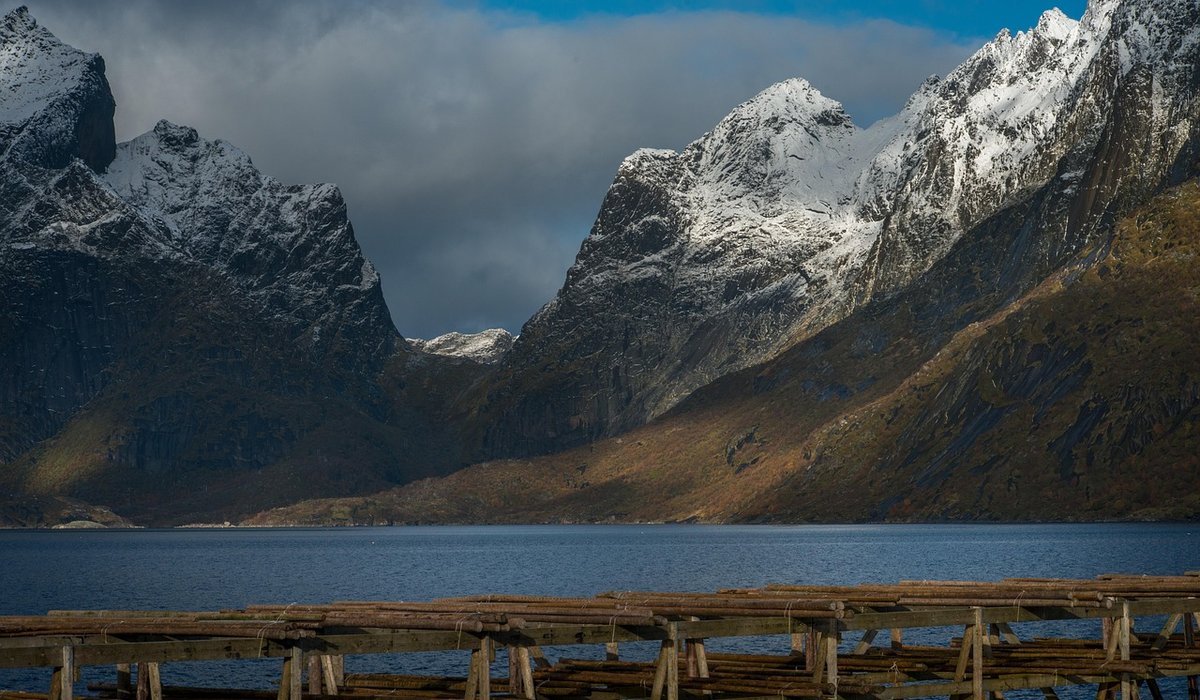
The Fjord Year at a Glance
Choosing when to cruise a Norwegian fjord is not a simple matter of picking the warmest month. The season you choose shapes everything: the light, the crowds, the cost, and even which excursions are possible. A spring sailing past thundering waterfalls feels entirely different from a summer voyage under a midnight sun, and autumn brings a quiet, golden beauty that many travellers miss. Here is what each season offers, so you can match your trip to your priorities.
Spring: Waterfalls, Quiet Roads, and Changeable Skies
From late March to May, the fjords wake up. Snowmelt sends water cascading down cliffs, and the waterfalls are at their most powerful. Road traffic is light, villages are peaceful, and you can often find accommodation and cruise berths at short notice. The trade-off is the weather: expect everything from crisp sunshine to sleet and rain, often in the same afternoon. Temperatures hover between 2°C and 12°C, so layers and waterproofs are essential.
Many fjord cruises begin in mid-April or May, especially on routes like the Sognefjord and Hardangerfjord. Some high mountain passes remain closed until June, which limits certain driving itineraries. On the plus side, fruit blossom in Hardanger is a spectacular sight in May, and the low season means lower prices and fewer crowds.
- Best for: waterfall lovers, photographers chasing dramatic light, and travellers who prefer solitude.
- Watch out for: unpredictable weather, closed mountain roads, and limited sailing schedules early in the season.
Summer: Endless Daylight and Peak Season Trade-offs
June, July, and August are the classic fjord cruise months. North of the Arctic Circle, the sun never sets, and even in southern fjords like Geiranger and Nærøyfjord, daylight stretches past 10pm. Temperatures are mild to warm, typically 15–25°C, though coastal areas can be cooler and misty. This is the easiest season for hiking, kayaking, and glacier walking, with all operators running full schedules.
The downside is popularity. Cruise ports are busy, especially in Geiranger and Flåm, and accommodation books out months in advance. Prices peak, particularly for hotels and guided tours. Midges can be a nuisance in inland areas and near still water, so bring repellent. If you crave the midnight sun and don't mind sharing the views, summer delivers unforgettable long days.
- Best for: families, first-time visitors, and anyone wanting reliable weather and maximum activity options.
- Watch out for: crowds, high costs, and the need to book everything well ahead.
Autumn: Colour, Calmer Ports, and the Return of the Northern Lights
September and October transform the fjords into a palette of gold, russet, and deep green. The summer crowds thin out, prices drop, and cruise ships feel more spacious. The air is crisp, with temperatures between 5°C and 15°C early in the season, cooling later. Rain becomes more frequent, and wind can pick up, but the light is soft and magical for photography.
Autumn is also when the northern lights start dancing again. By late September, dark skies return to northern fjords around Tromsø and Lofoten, offering a chance to combine a fjord cruise with aurora hunting. Some operators wind down in late September, while others continue into October. Check schedules carefully if you have your heart set on a specific route.
- Best for: photographers, couples seeking quiet romance, and travellers hoping for northern lights.
- Watch out for: shorter days, wetter weather, and reduced sailing frequency after mid-September.
What Each Season Costs You
Budget is often the deciding factor. Summer is the most expensive season for fjord cruises, flights, and hotels. Expect to pay a premium for everything from a basic cabin to a coffee in a waterfront café. Spring and autumn are shoulder seasons, with prices often 20–40% lower. You may find last-minute deals on cruises in May and September, but don't rely on it for popular routes.
Food and drink in Norway are costly year-round, so self-catering or half-board options can help. Ferries and public transport are reasonably priced and a great way to see the fjords without a cruise. If you are flexible on dates, travelling in early June or late August can give you summer light with slightly smaller crowds and softer prices.
Matching the Season to Your Travel Style
Here is a quick guide to help you decide.
- Families with school-age children: Summer, for warm weather, long days, and all activities running.
- Photographers: Autumn for colour and northern lights, or spring for waterfalls and dramatic skies.
- Hikers and kayakers: Late spring to early summer, or September, when trails are quieter and conditions are still good.
- Budget travellers: May or September, when prices drop and crowds are manageable.
- Aurora hunters: Autumn, winter, or early spring, combining fjord scenery with dark skies.
Whichever season you choose, pack layers, waterproofs, and a sense of adventure. The fjords are beautiful year-round, but the right season for you depends on what you value most: light, silence, colour, or comfort. Plan ahead, stay flexible, and you will be rewarded with landscapes that stay with you forever.
LEAVE A COMMENT